|
Xiaoming Xue (薛小明) Xiaoming Xue is currently a Professor with the School of Petroleum Engineering at China University of Petroleum (East China). From 2024 to 2025, he served as a Postdoctoral Fellow with the Department of Data Science and Artificial Intelligence (DSAI) at The Hong Kong Polytechnic University, working with Prof. Kay Chen Tan, Prof. Jibin Wu and Prof. Ran Cheng, as a member of the Machine Intelligence and Nature-Inspired Computing (MIND) Lab. He received his B.Eng. and M.Eng. degrees from China University of Petroleum (East China), in 2017 and 2020, respectively, under the supervision of Prof. Kai Zhang, and the Ph.D. degree from City University of Hong Kong in 2024, under the supervision of Prof. Kay Chen Tan and Prof. Linqi Song. His research interests span optimization and machine learning, and their use in addressing complex problems in the oil and gas industry. Email / Google Scholar / Github / CV |
|
Selected Publications (Including Preprints)(*: corresponding author, full list: Google Scholar) |
Theories |
|
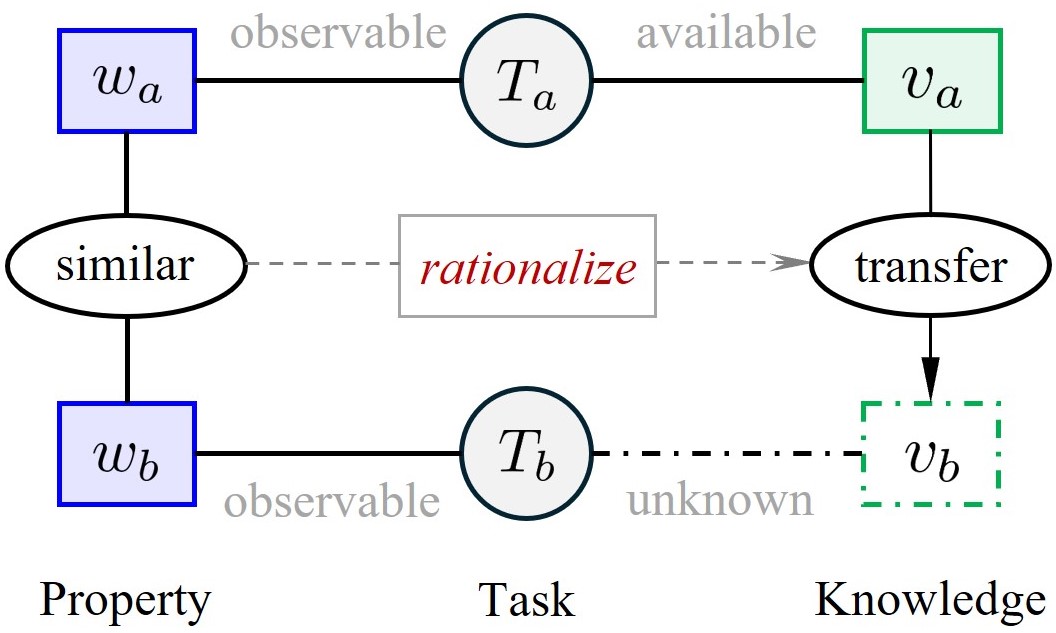
A Theoretical Analysis of Analogy-Based Evolutionary Transfer Optimization
Xiaoming Xue, Liang Feng, Yinglan Feng, Rui Liu, Kai Zhang, Kay Chen Tan IEEE Congress on Evolutionary Computation (CEC), 2025 paper / bibtex This paper aims to establish theoretical foundations for analogy-based evolutionary transfer optimization (ETO), with a particular focus on supporting various algorithms that rely heavily on a key concept known as similarity. We first connect analogical reasoning to ETO's key issues—what, how, and when to transfer. Next, we develop theories for analogy-based knowledge transfer, including three ideal knowledge transfer functions and two theorems addressing positive and negative transfers. Finally, we provide a novel insight into ETO's conditional superiority over traditional evolutionary optimization through the lens of the no free lunch theorem. |
Algorithms |
|
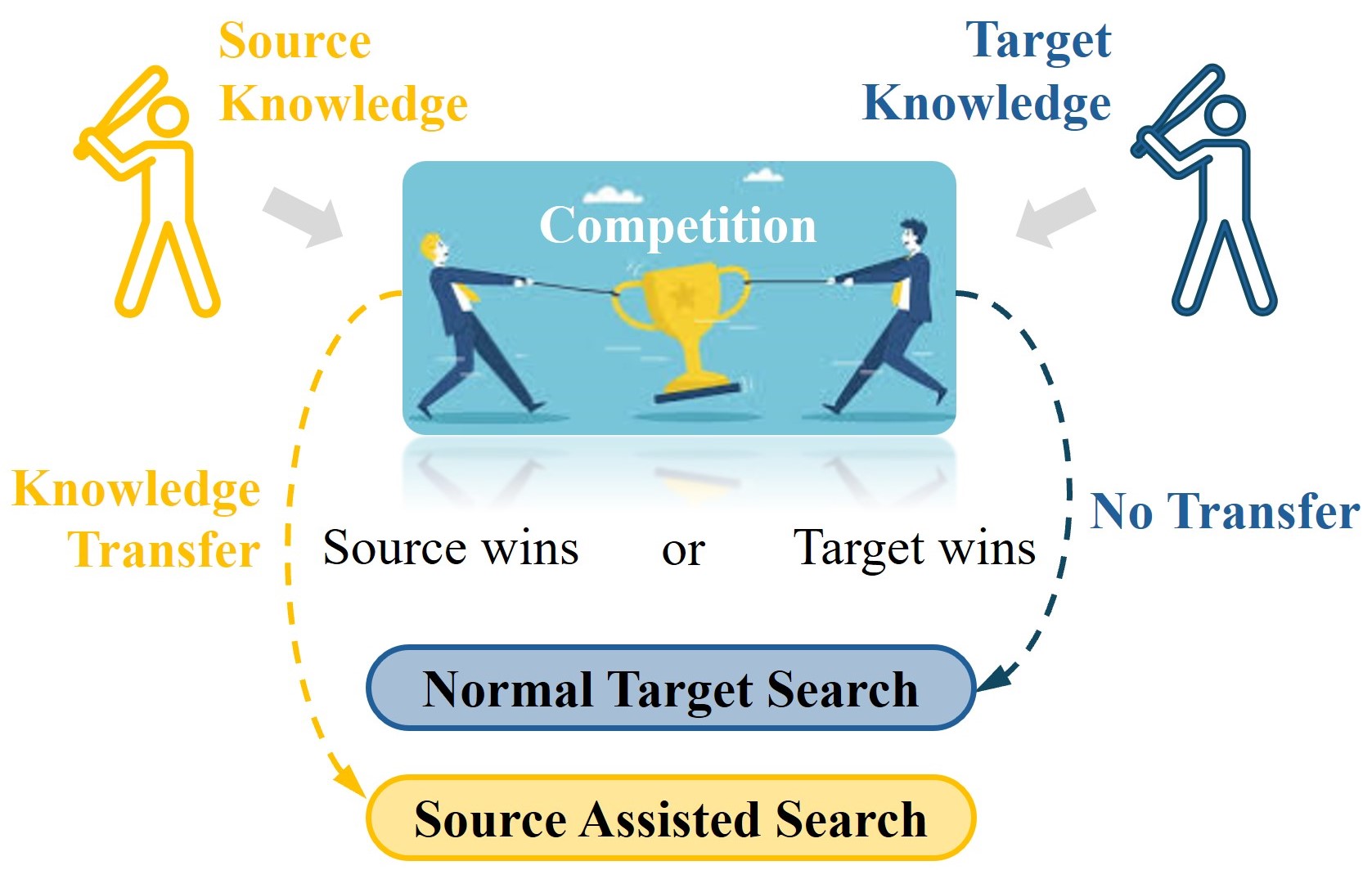
Surrogate-Assisted Search with Competitive Knowledge Transfer for Expensive Optimization
Xiaoming Xue, Yao Hu, Liang Feng*, Kai Zhang, Linqi Song*, Kay Chen Tan IEEE Transactions on Evolutionary Computation (TEVC), 2024 paper / code / bibtex Both the optimized solutions from source tasks and the promising solutions acquired by the target task are treated as task-solving knowledge, enabling them to compete with each other to elect the winner for expensive evaluation, thus boosting the search speed on the target task. Moreover, the nonnegative performance gain resulting from such competitive knowledge transfer is analyzed theoretically. |
|
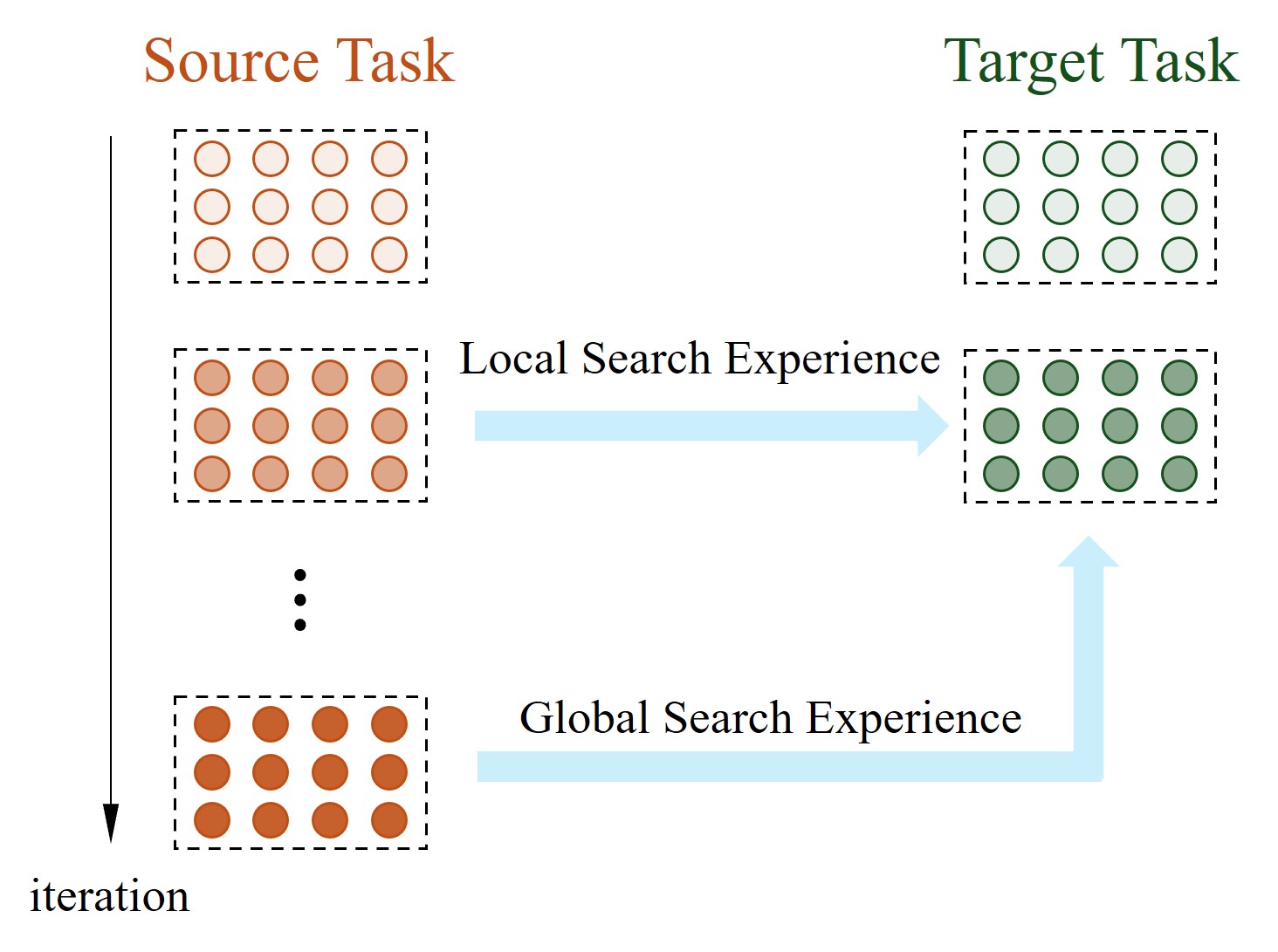
Global and Local Search Experience-Based Evolutionary Sequential Transfer Optimization
Chenming Cao, Kai Zhang*, Xiaoming Xue*, Kay Chen Tan, Jian Wang, Liming Zhang, Piyang Liu, Xia Yan IEEE Transactions on Evolutionary Computation (TEVC), 2024 paper / code / bibtex By dividing the optimization experience into two categories, i.e., global and local search experience, a novel transferability metric named landscape encoding-based rank correlation is proposed and instantiated for global and local transfer, which can work cooperatively for maximum performance enhancement for the target task. |
|
Evolutionary Sequential Transfer Optimization for Objective-Heterogeneous Problems
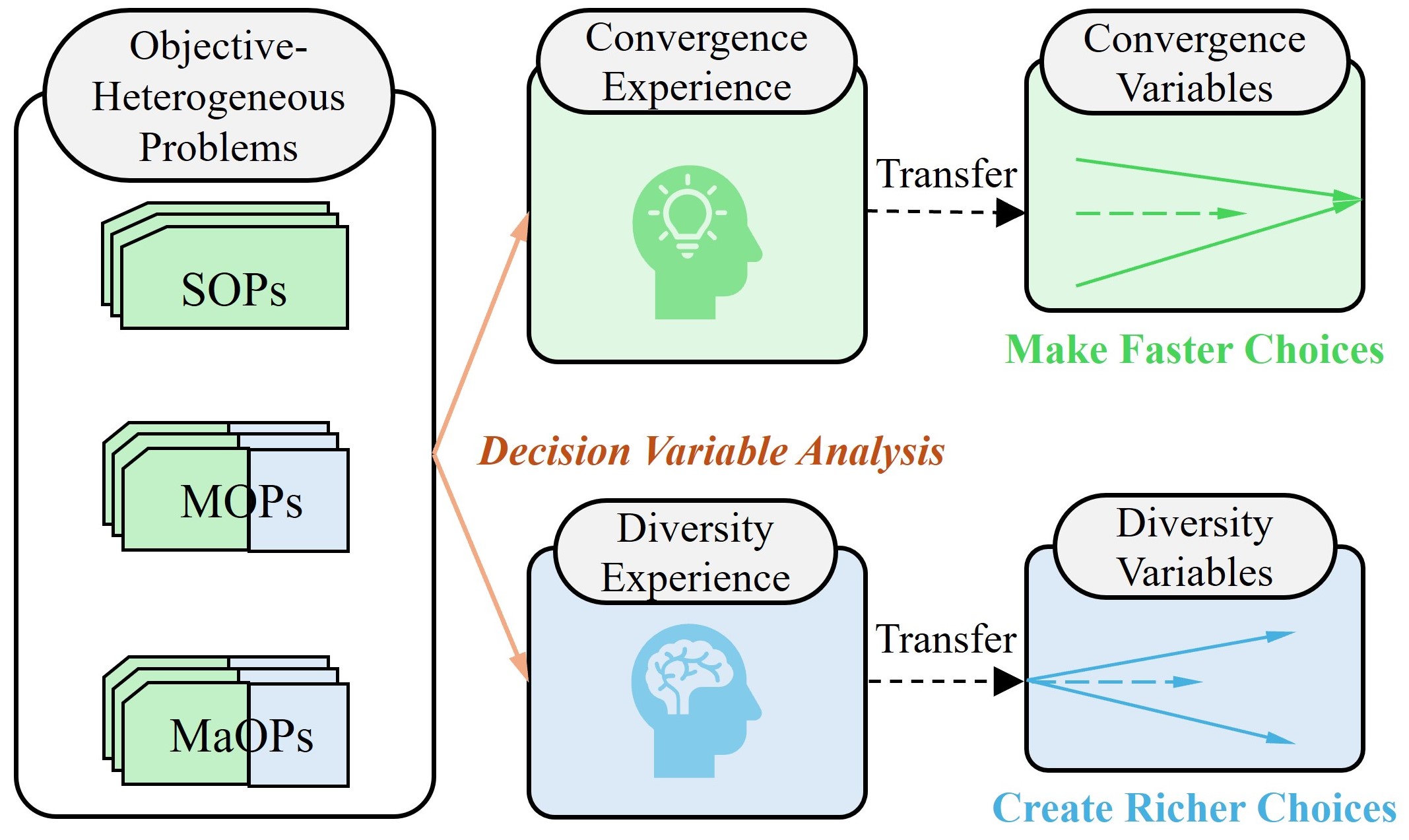
Xiaoming Xue, Cuie Yang*, Yao Hu, Kai Zhang, Yiu-Ming Cheung, Linqi Song*, Kay Chen Tan IEEE Transactions on Evolutionary Computation (TEVC), 2021 paper / code / bibtex Given a knowledge base with single-objective optimization problems (SOPs), multi-objective optimization problems (MOPs), and many-objective optimization problems (MaOPs), we propose to divide past search experience into two categories based on decision variable analysis: convergence-related and diversity-related experience. Subsequently, two distinct knowledge transfer methods are developed to utilize these two types of search experience for better addressing the convergence-related and diversity-related variables of a target task of interest, respectively. |
|
Affine Transformation-Enhanced Multifactorial Optimization for Heterogeneous Problems
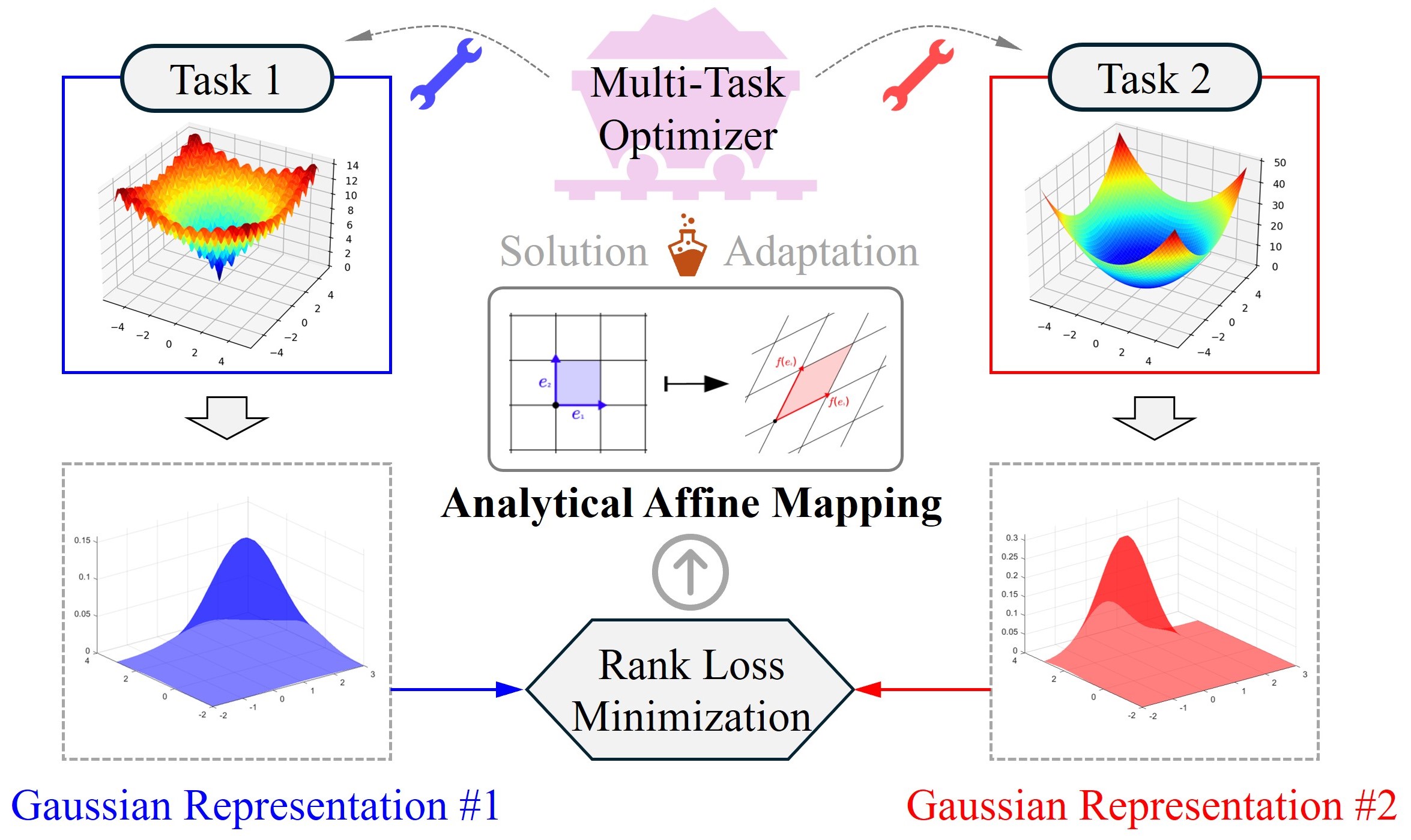
Xiaoming Xue, Kai Zhang*, Kay Chen Tan, Liang Feng, Jian Wang, Guodong Chen, Xinggang Zhao, Liming Zhang, Jun Yao IEEE Transactions on Cybernetics (TCYB), 2020 paper / code / bibtex To improve the transferability of solutions for heterogeneous multi-task optimization problems with effective inter-task mapping, a novel rank loss function is proposed to acquire superior inter-task mappings. Specifically, using an evolutionary-path-based representation model for optimization instances, an analytical solution for affine transformation is mathematically derived to bridge the gap between two distinct problems, which can be seamlessly embedded into any evolutionary multi-task solver. |

|
A Topology-Based Single-Pool Decomposition Framework for Large-Scale Global Optimization
Xiaoming Xue, Kai Zhang*, Rupeng Li, Liming Zhang, Chuanjin Yao, Jian Wang, Jun Yao Applied Soft Computing (ASOC), 2020 paper / code / bibtex An efficient single-pool decomposition framework has been developed to identify the interactions among large-scale decision variables in an ordinal fashion. Additionally, it has been found that the decomposition efficiency can be greatly improved by leveraging the variable-related topological information of the problems of interest. In many real-world scenarios, this information could be 1-, 2-, or 3-dimensional coordinates, which represent the geometric structure of large-scale systems. |
Benchmarks |
|
A Scalable Test Problem Generator for Sequential Transfer Optimization
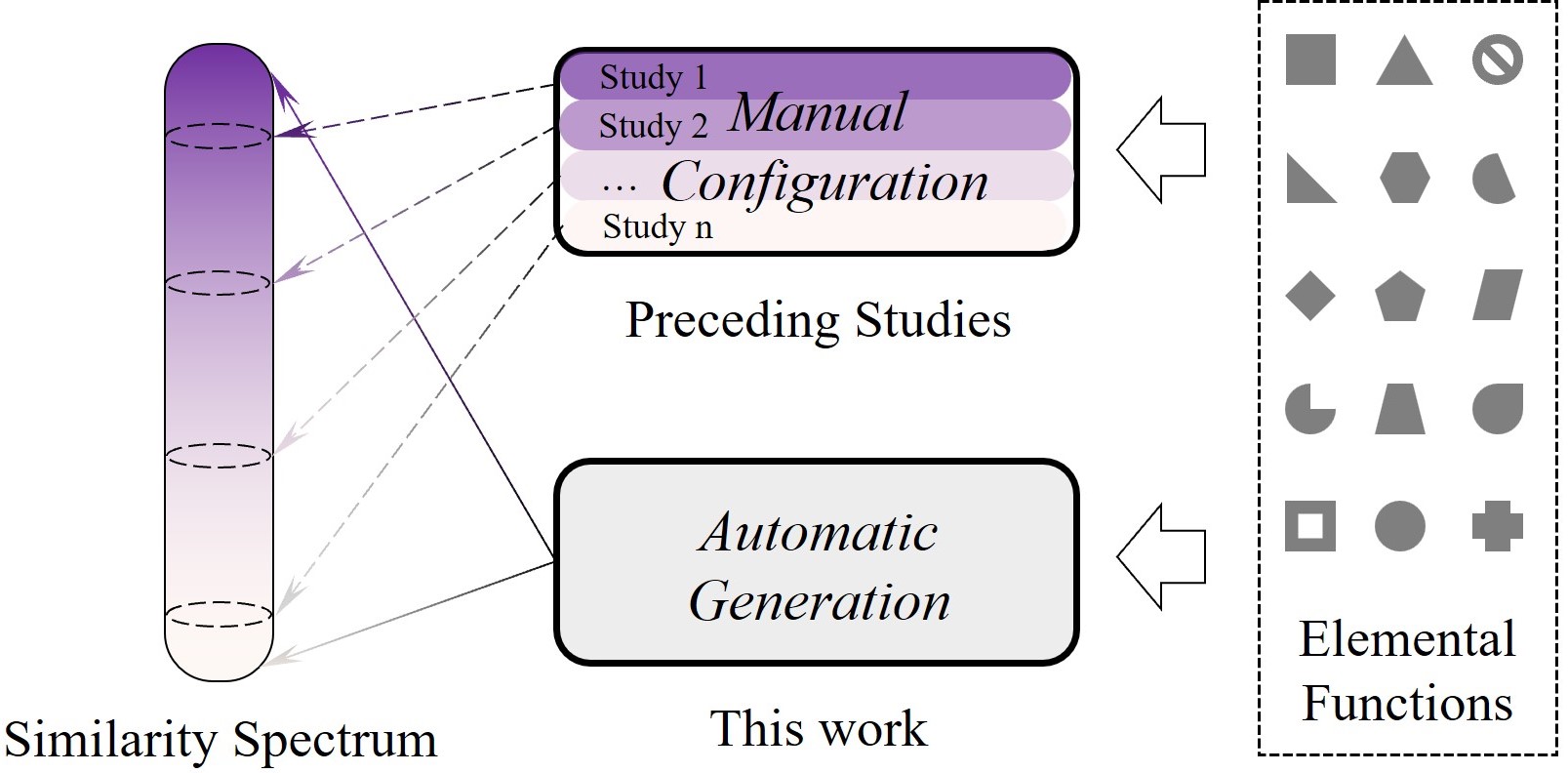
Xiaoming Xue, Cuie Yang*, Liang Feng*, Kai Zhang, Linqi Song, Kay Chen Tan IEEE Transactions on Cybernetics (TCYB), 2025 paper / code / bibtex A scalable generator for sequential transfer optimization problems (STOPs) with customizable source-target similarities with respect to optimum is developed to enable more comprehensive evaluation of various analogy-based algorithms transferring optimized solutions. Rationale: In analogy, decisions about knowledge transfer are made based on similarities. |
|
Multiobjective Sequential Transfer Optimization: Benchmark Problems and Preliminary Results
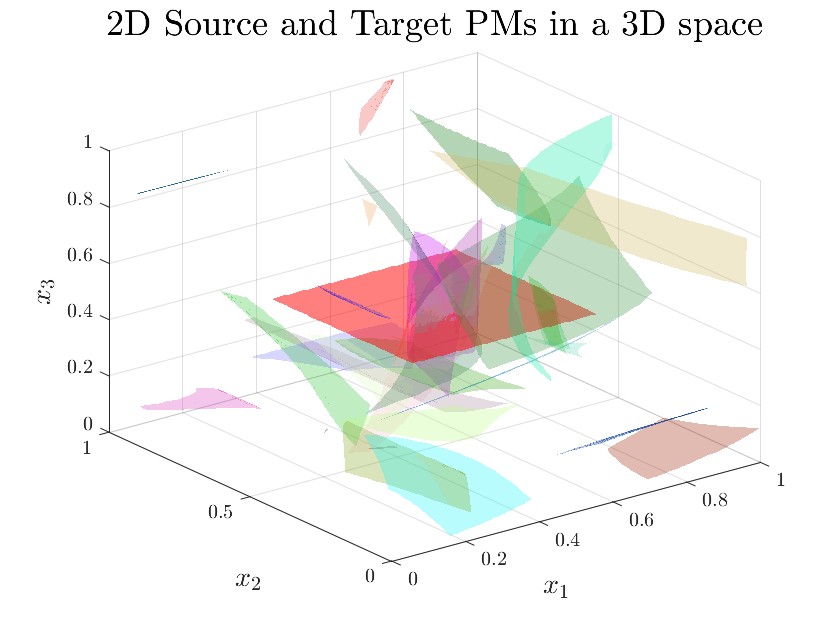
Xiaoming Xue, Liang Feng, Cuie Yang, Songbai Liu, Linqi Song, Kay Chen Tan IEEE Congress on Evolutionary Computation (CEC), 2024 paper / code / bibtex In the case of simply connected Pareto manifolds (PMs), the universal representation of source-target PM similarities is achieved through a bottom-up approach based on homeomorphisms, allowing for a close resemblance to the diverse PM similarities found in real-world multiobjective sequential transfer optimization problems. |
Surveys |
|
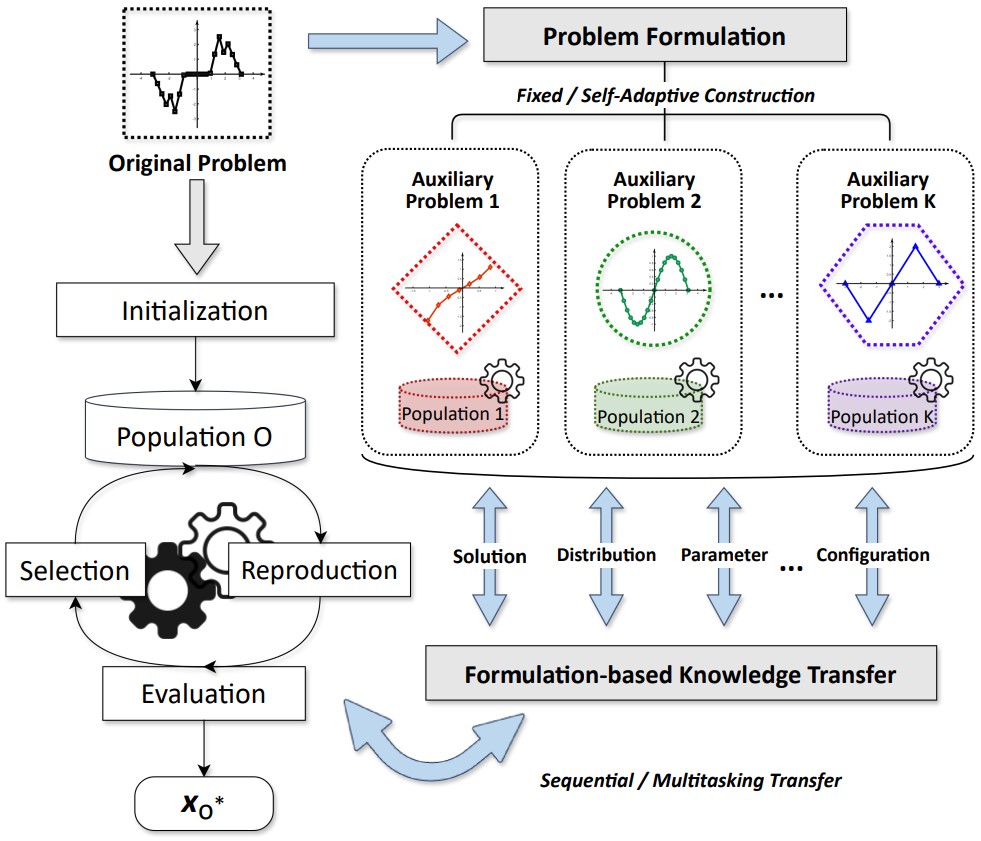
A Review on Evolutionary Multiform Transfer Optimization
Yinglan Feng, Liang Feng, Xiaoming Xue, Sam Kwong, Kay Chen Tan IEEE Congress on Evolutionary Computation (CEC), 2024 paper / bibtex A review of the recent advances in evolutionary multiform transfer optimization is conducted from the perspectives of the problems being solved and the methods used to construct auxiliary formulations. |
|
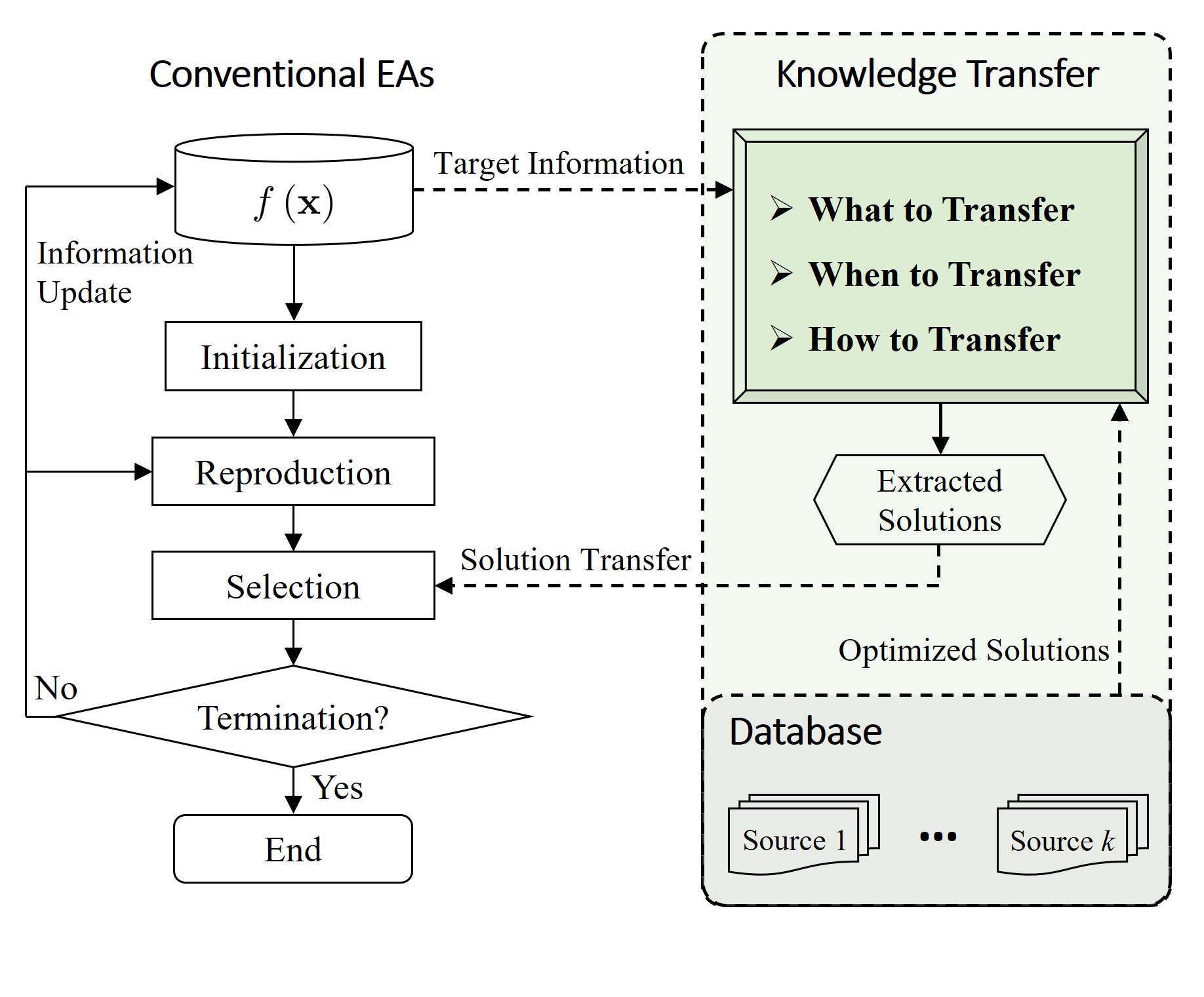
Solution Transfer in Evolutionary Optimization: An Empirical Study on Sequential Transfer
Xiaoming Xue, Cuie Yang*, Liang Feng*, Kai Zhang, Linqi Song*, Kay Chen Tan IEEE Transactions on Evolutionary Computation (TEVC), 2023 paper / code / bibtex A holistic review of various techniques associated with the fundamental aspects of solution transfer (i.e., what, when and how to transfer) is presented. Additionally, a series of experiments are conducted to explore the underlying transfer mechanisms that enhance the evolutionary search with diverse source-target similarities in the context of continuous optimization with sequential transfer. |
Applications |
|
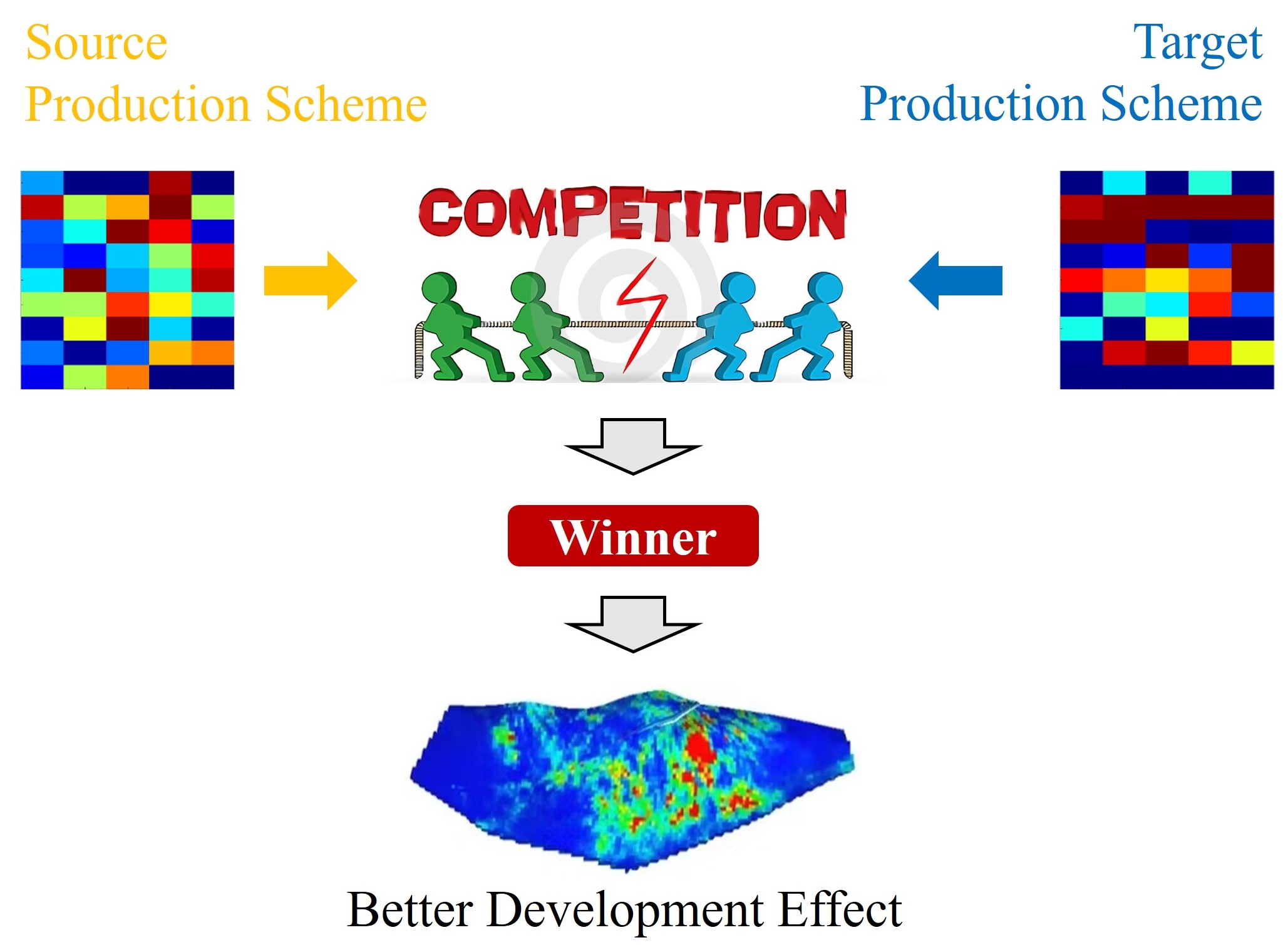
Competitive Knowledge Transfer–Enhanced Surrogate-Assisted Search for Production Optimization
Chenming Cao, Xiaoming Xue*, Kai Zhang*, Linqi Song, Liming Zhang, Xia Yan, Yongfei Yang, Jun Yao, Wensheng Zhou, Chen Liu SPE Journal (SPE J), 2024 paper / code / bibtex A competition is initiated between the production schemes from the source reservoirs and the target reservoir. The winning scheme is then selected for reservoir simulation to evaluate its quality, enabling the identification of a superior production scheme while reducing the need for extensive reservoir simulations. Additionally, the non-negative gain of the proposed algorithm is highlighted, promoting a more reliable application of this technology in oilfields. |
|
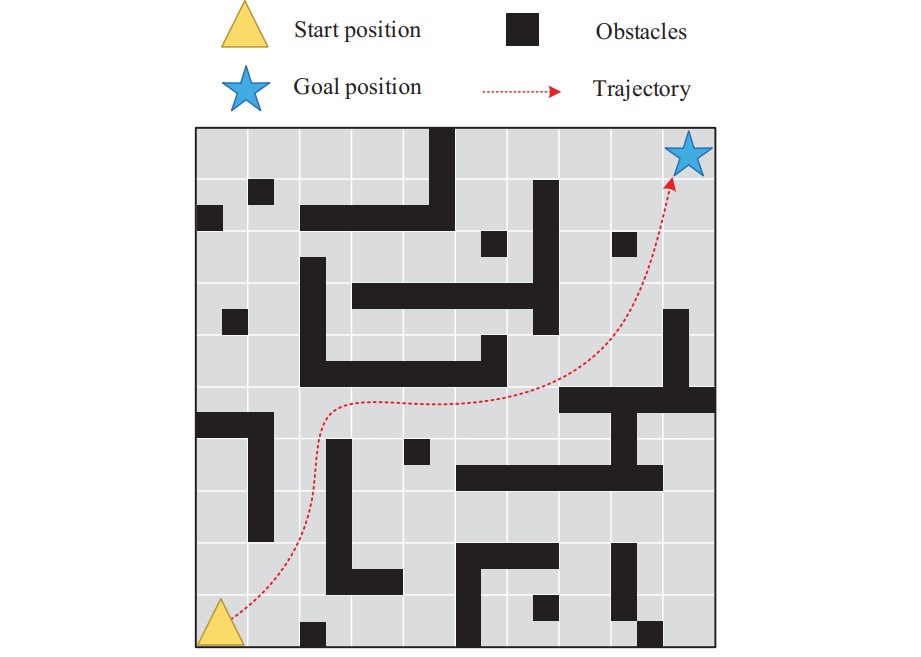
Sequential Transfer via Clustering-Based Similarity Measurement for Faster Trajectory Optimization
Wu Lin, Qiuzhen Lin, Xiaoming Xue, Kay Chen Tan IEEE Conference on Artificial Intelligence (CAI), 2024 paper / bibtex A clustering-based similarity measurement method for evolutionary sequential transfer optimization is developed to accurately select promising source solutions to speed up the evolutionary search in solving trajectory optimization problems. |
|
Source Free Semi-Supervised Transfer Learning for Diagnosis of Mental Disorders on fMRI Scans
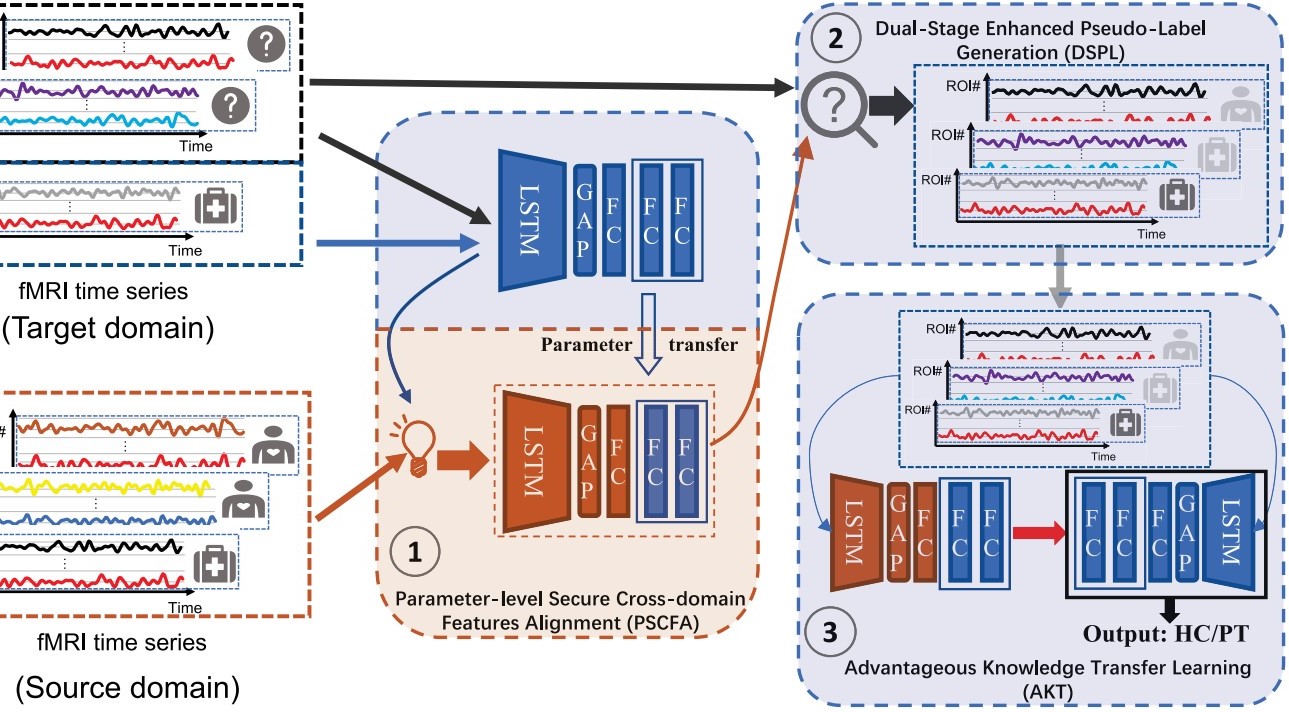
Yao Hu, Zhi-An Huang, Rui Liu, Xiaoming Xue, Xiaoyan Sun, Linqi Song, Kay Chen Tan IEEE Transactions on Pattern Analysis and Machine Intelligence (TPAMI), 2023 paper / bibtex This work is the first attempt to propose a semi-supervised transfer learning framework dubbed S3TL for CAD of mental disorders using fMRI data, in which a cross-domain feature alignment method is developed first to generate target-related source model. Then, an enhanced dual-stage pseudo-labeling method is developed to assign pseudo-labels for unlabeled target samples. Lastly, a knowledge transfer method is used to improve the generalization capability of the target model. |
|
Historical Window-Enhanced Transfer Gaussian Process for Production Optimization
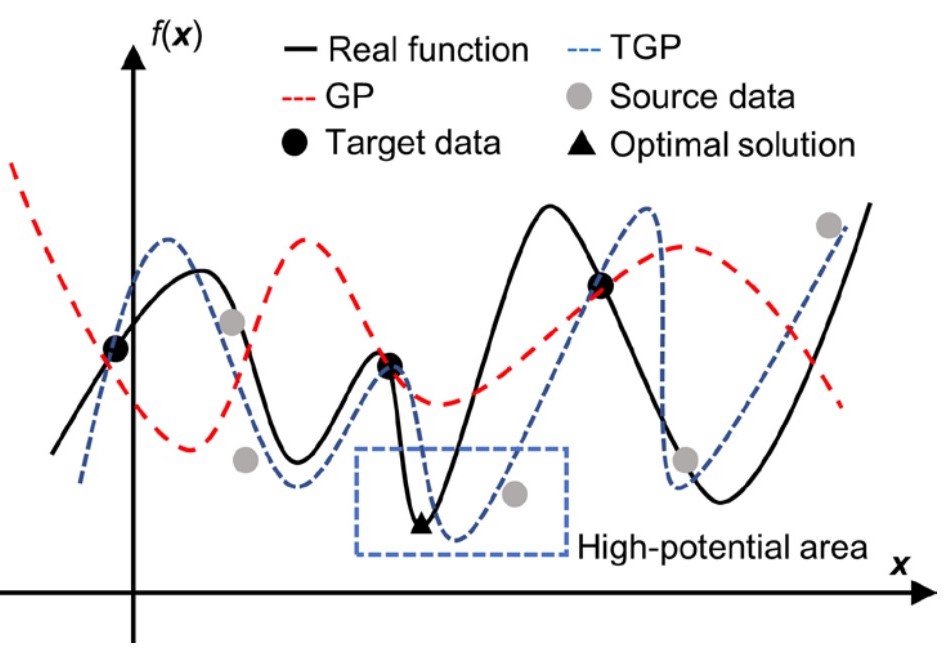
Chao Zhong, Kai Zhang*, Xiaoming Xue, Ji Qi, Liming Zhang, Xia Yan, Huaqing Zhang, Yongfei Yang SPE Journal (SPE J), 2022 paper / bibtex By modeling production optimization as a dynamic optimization problem consisting of a series of time windows, the optimization data from historical windows are used as part of the training data to construct the transfer Gaussian process (TGP) for effectively solving the current expensive optimization task. This approach avoids the extensive time required for "trial and error" and achieves superior performance, similar to that of experienced engineers. |
|
A Divide-and-Conquer Optimization Paradigm for Waterflooding Production Optimization
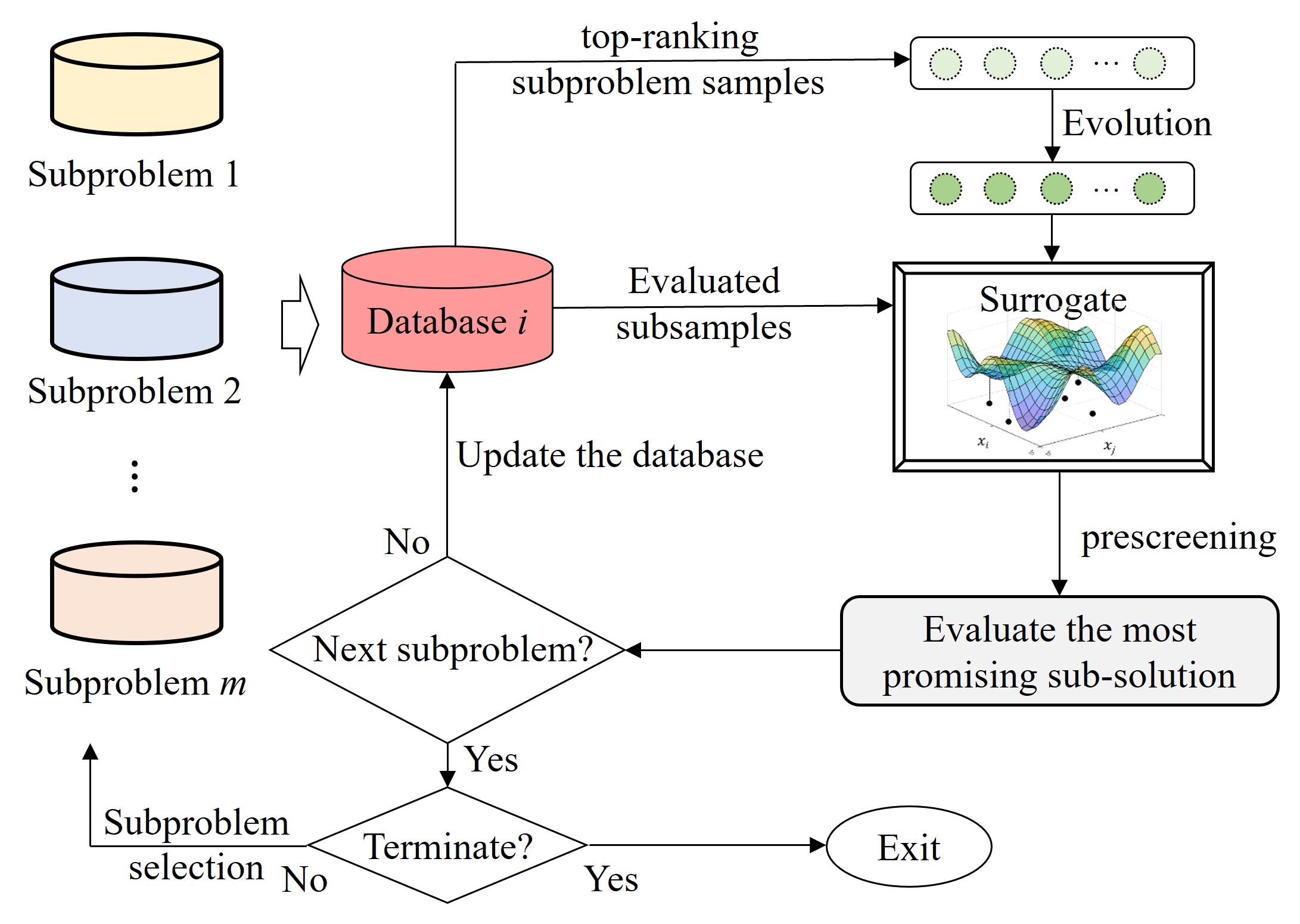
Xiaoming Xue, Guodong Chen, Kai Zhang*, Liming Zhang, Xinggang Zhao, Linqi Song, Menghan Wang, Peng Wang Journal of Petroleum Science and Engineering (JPSE), 2022 paper / bibtex Given a large-scale production optimization problem, one may choose to decompose it into a number of simpler, lower-dimensional subproblems. Then, multiple data-driven surrogates are built for these subproblems. Finally, all the subproblem surrogates are optimized cooperatively using a reuse strategy for subproblem samples. |
|
Self-Adaptive Multifactorial Evolutionary Algorithm for Multitasking Production Optimization
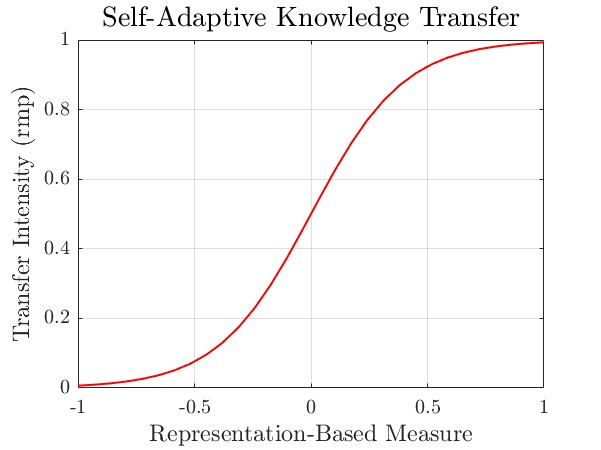
Jun Yao, Yandong Nie, Zihao Zhao, Xiaoming Xue, Kai Zhang, Chuanjin Yao, Liming Zhang, Jian Wang, Yongfei Yang Journal of Petroleum Science and Engineering (JPSE), 2021 paper / bibtex A novel self-adaptive multifactorial evolutionary algorithm (SA-MFEA) is developed for multi-task production optimization problems, with the transfer intensity estimated online based on the representation models of optimization tasks to reduce the risk of negative transfer. In SA-MFEA, the positive transfer between highly related tasks can be greatly enhanced by estimating a higher transfer intensity, while the negative transfer between dissimilar tasks can be minimized with a low value of transfer intensity. |
|
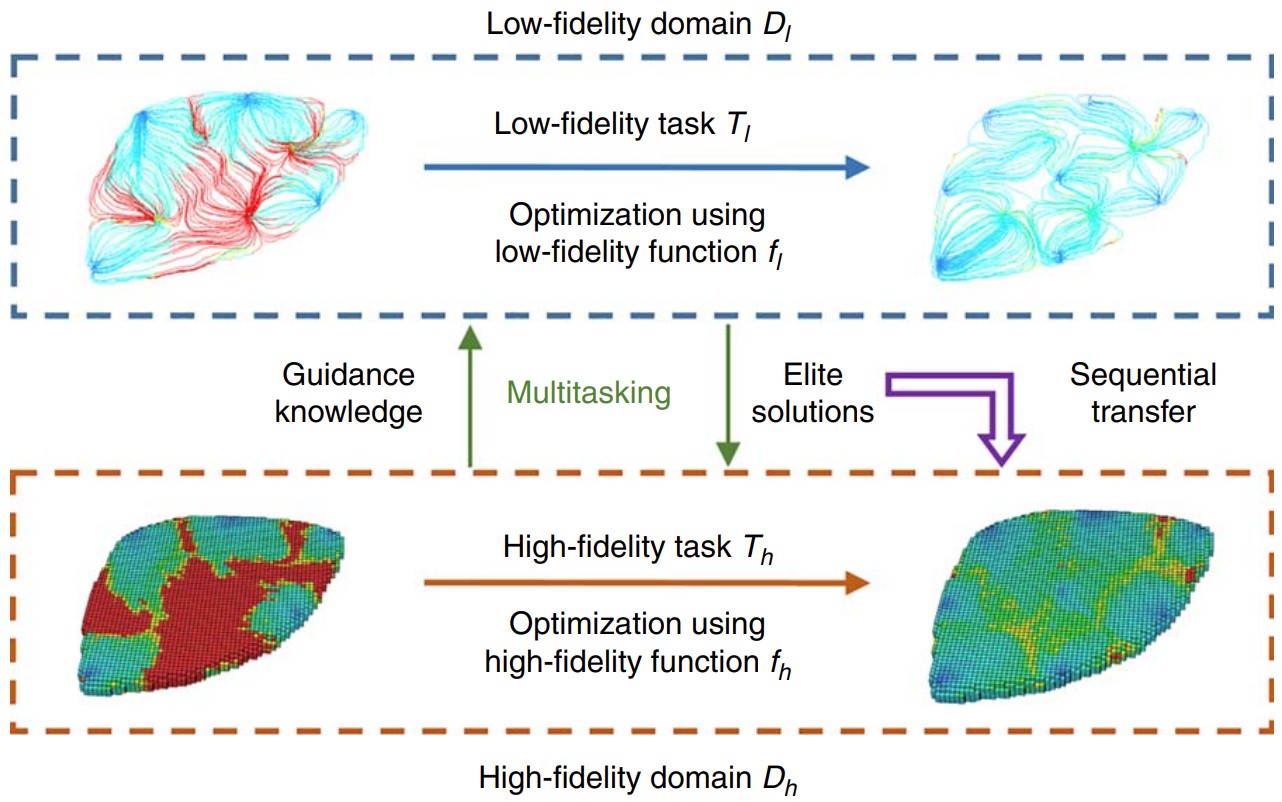
Multifidelity Genetic Transfer: An Efficient Framework for Production Optimization
Faliang Yin, Xiaoming Xue, Chengze Zhang, Kai Zhang*, Jianfa Han, BingXuan Liu, Jian Wang, Jun Yao SPE Journal (SPE J), 2021 paper / bibtex A multi-fidelity genetic transfer framework is developed for production optimization problems, wherein a number of low-fidelity formulations are available to speed up the search for the high-fidelity task. Particularly, a multi-fidelity transfer differential evolution (MTDE) algorithm is developed by incorporating a novel two-mode genetic transfer strategy into differential evolution. The efficacy of MTDE was validated using the egg model and two real field cases, where the black-oil and streamline models are employed to obtain high- and low-fidelity results, respectively. |
|
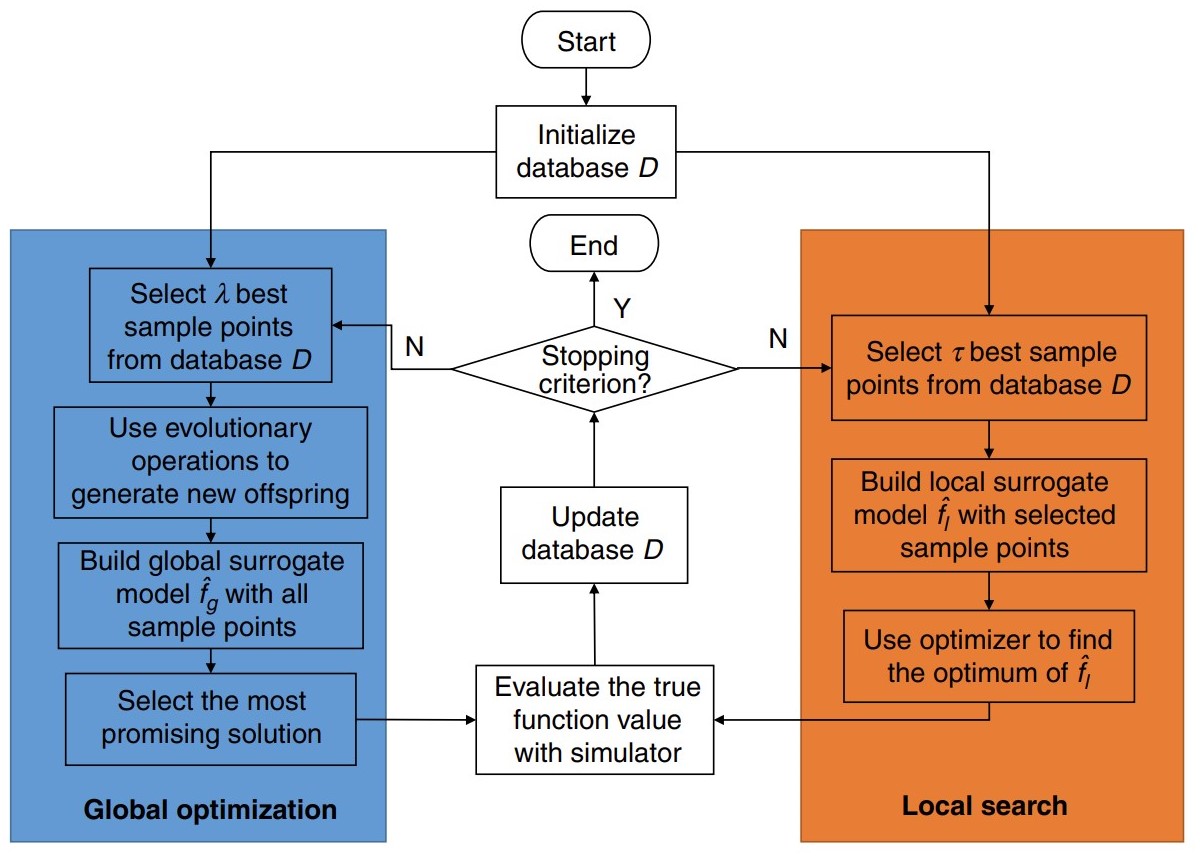
Global and Local Surrogate-Model-Assisted Differential Evolution for Waterflooding Production Optimization
Guodong Chen, Kai Zhang*, Liming Zhang, Xiaoming Xue, Dezhuang Ji, Chuanjin Yao, Jun Yao, Yongfei Yang SPE Journal (SPE J), 2020 paper / bibtex A global and local surrogate-assisted differential evolution (GLSADE) algorithm is introduced for waterflooding production optimization problems. Specifically, GLSADE consists of two phases: 1) a global optimization phase that generates multiple offspring, and 2) a local search phase that seeks the optimum of the surrogate. The cooperation between these two phases significantly enhances the optimization process in terms of search speed and final solution quality. |
Dissertation |
|
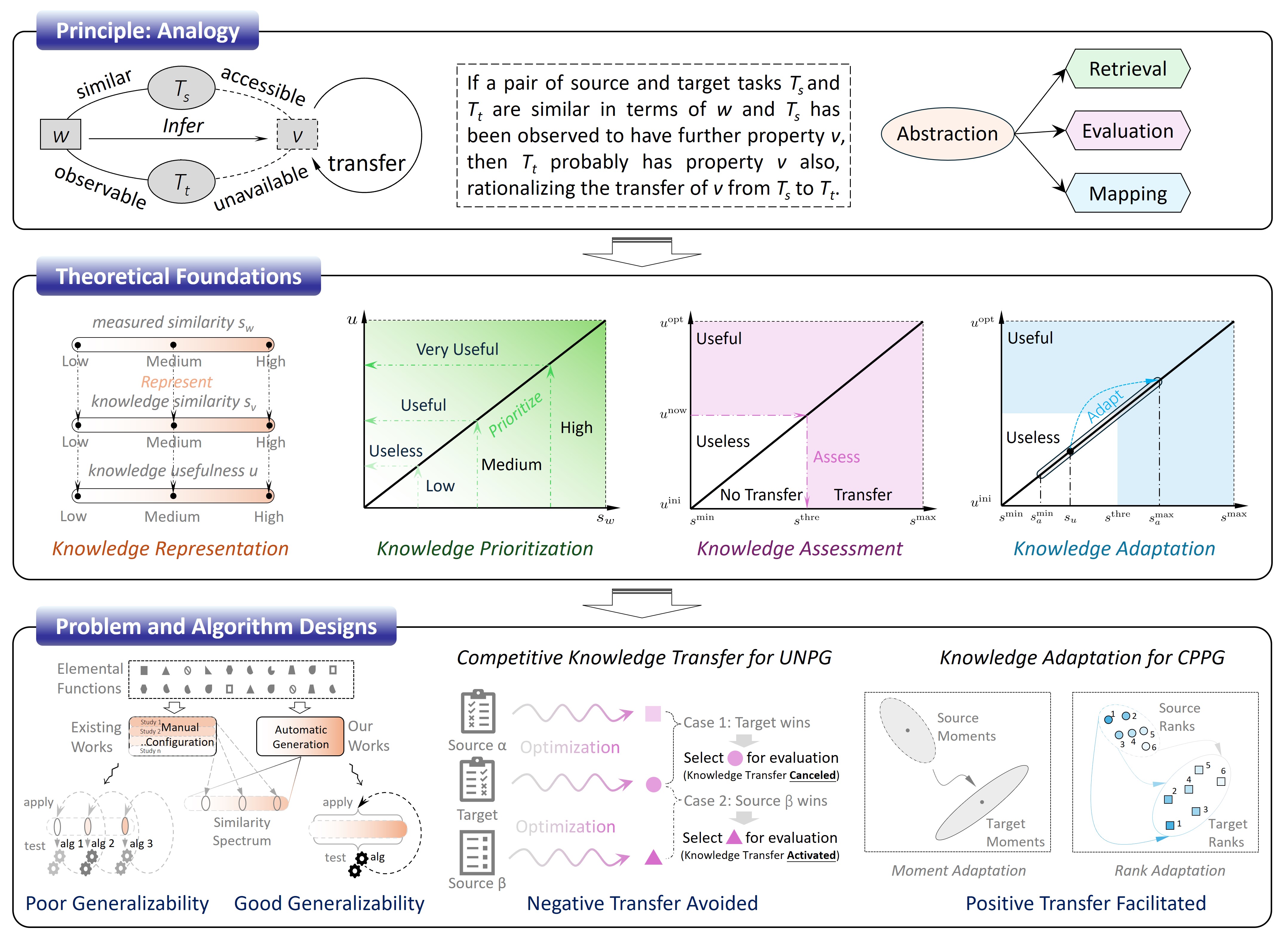
Towards Advanced Evolutionary Sequential Transfer Optimization
Xiaoming Xue City University of Hong Kong, 2024 thesis This thesis focuses on consolidating the theoretical foundations of sequential transfer optimization in the context of evolutionary computation and developing relevant algorithms based on these foundations, which is structured around a research path that begins with underlying principle, progresses through theoretical foundations for knowledge transfer, and concludes with problem and algorithm designs. |
Honors and Awards |
Academic Service |
Journal Reviewers
|
Conference Reviewers
|
|
This website's source code is adapted from here. |